

ACTIVE CHIP DESIGN COMPANY
Built by an Active Chip Design Company
Become a VLSI Engineer
in 10 Months
Three placement-focused VLSI programs for ECE and EEE engineers. 10 months, live online, with a 4-month industry internship project.
- Choose your track: RTL Design, Design Verification or Physical Design
- 200+ hours of hands-on labs on industry EDA tools
- 4-month industry internship project — real work, not a case study
- Taught by IC designers with 25+ years in the semiconductor industry
Our hiring network includes companies like:














Get the curriculum & fee structure
A MOSart counsellor will reach you within 24 hours to help you pick your track.
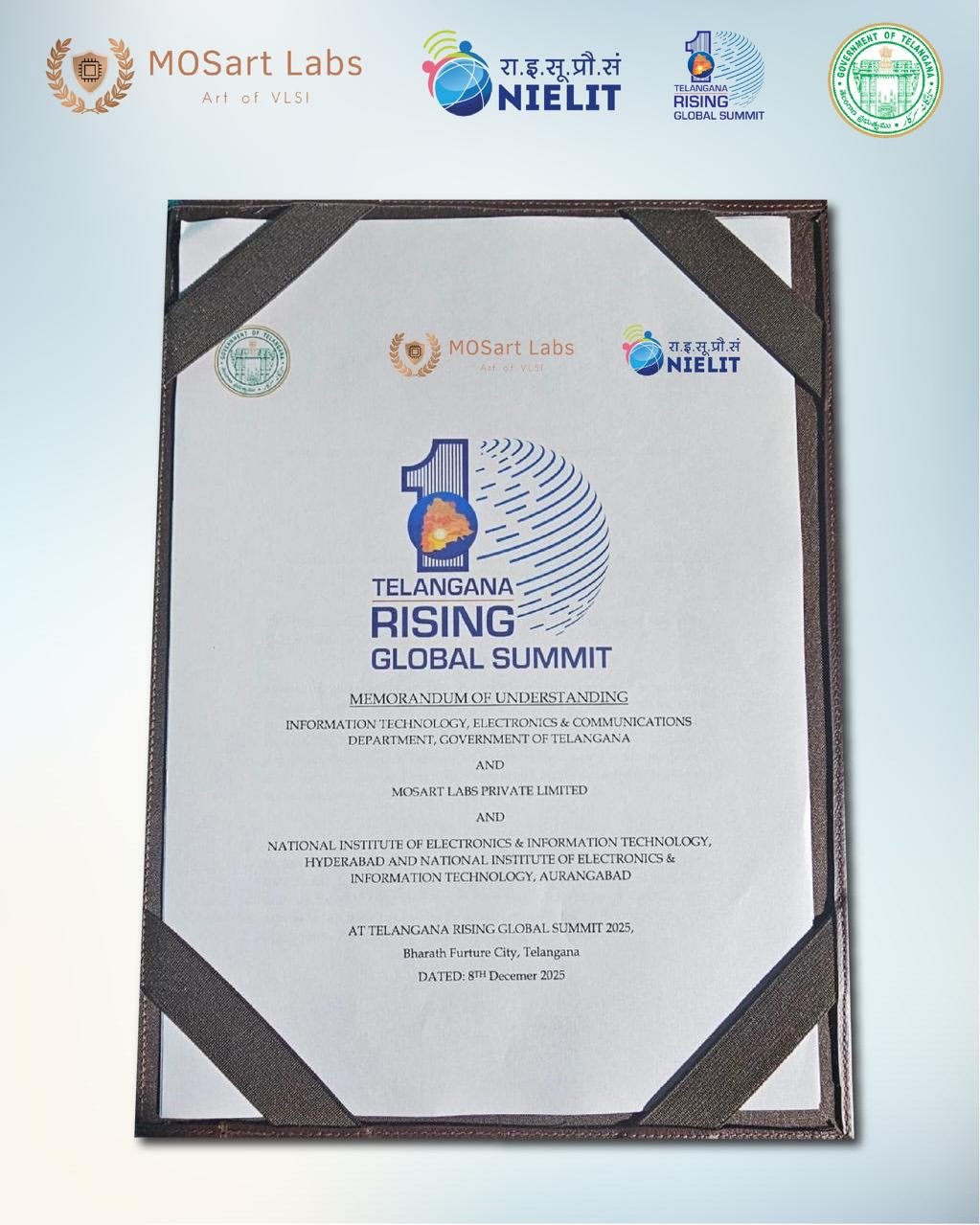
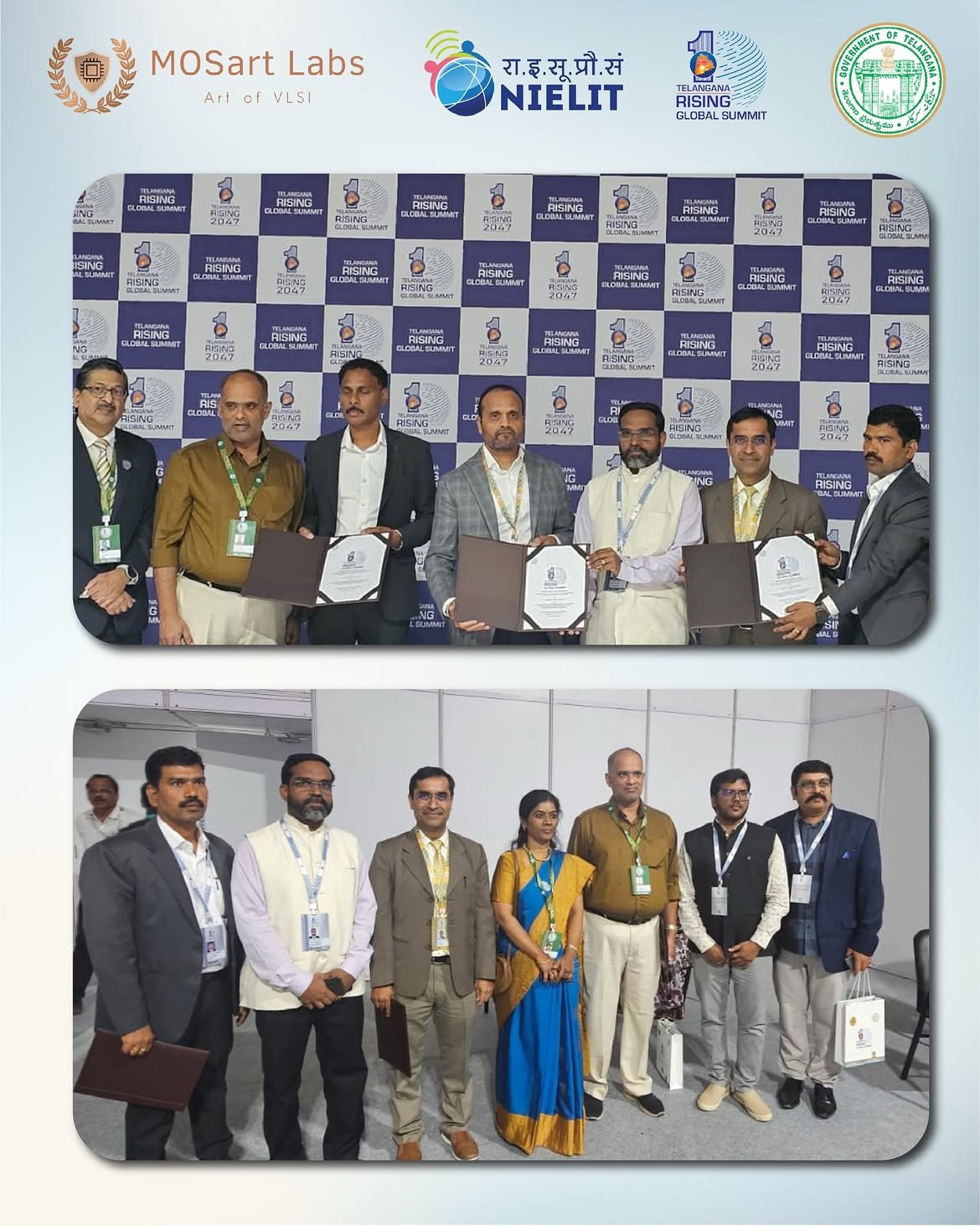
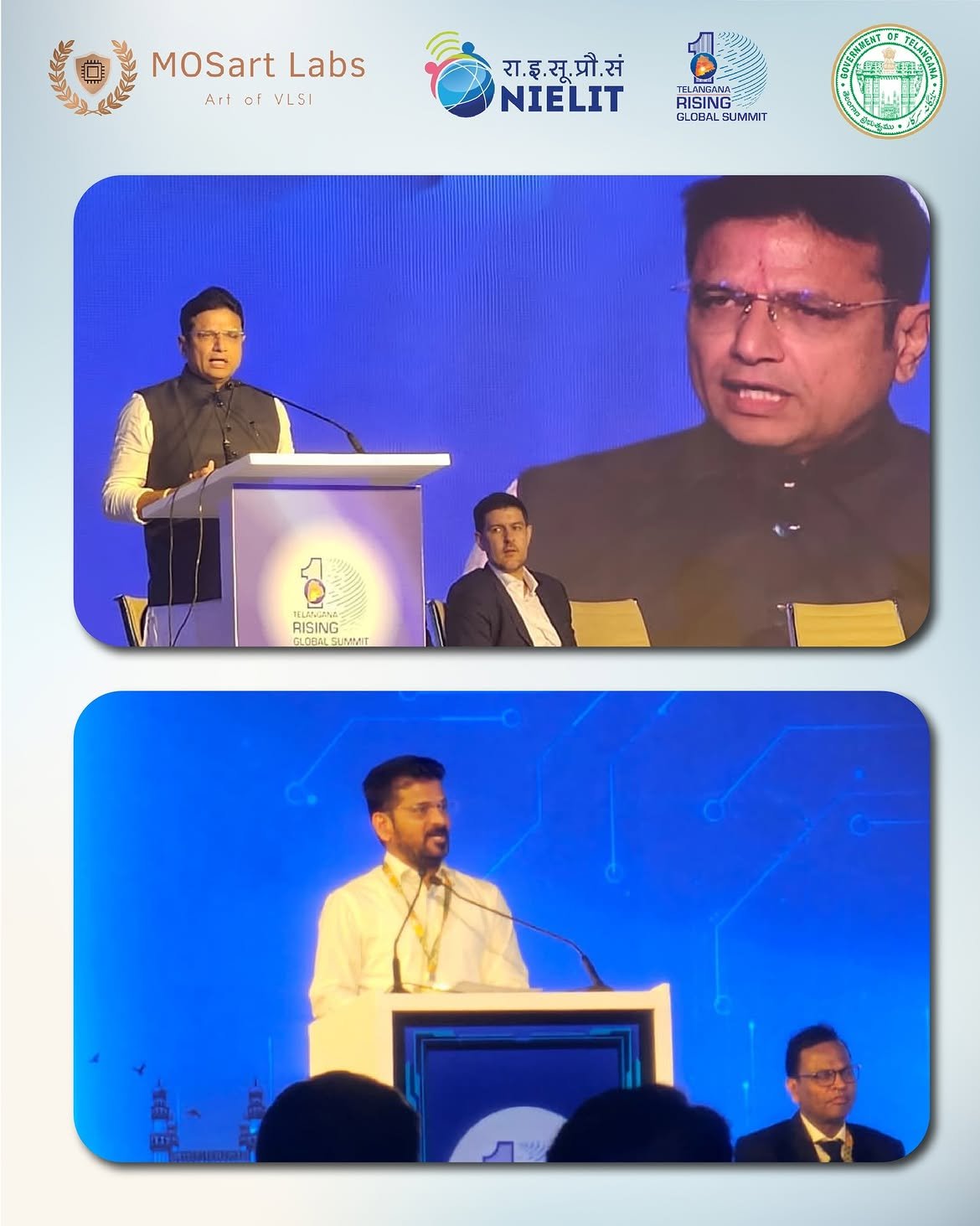
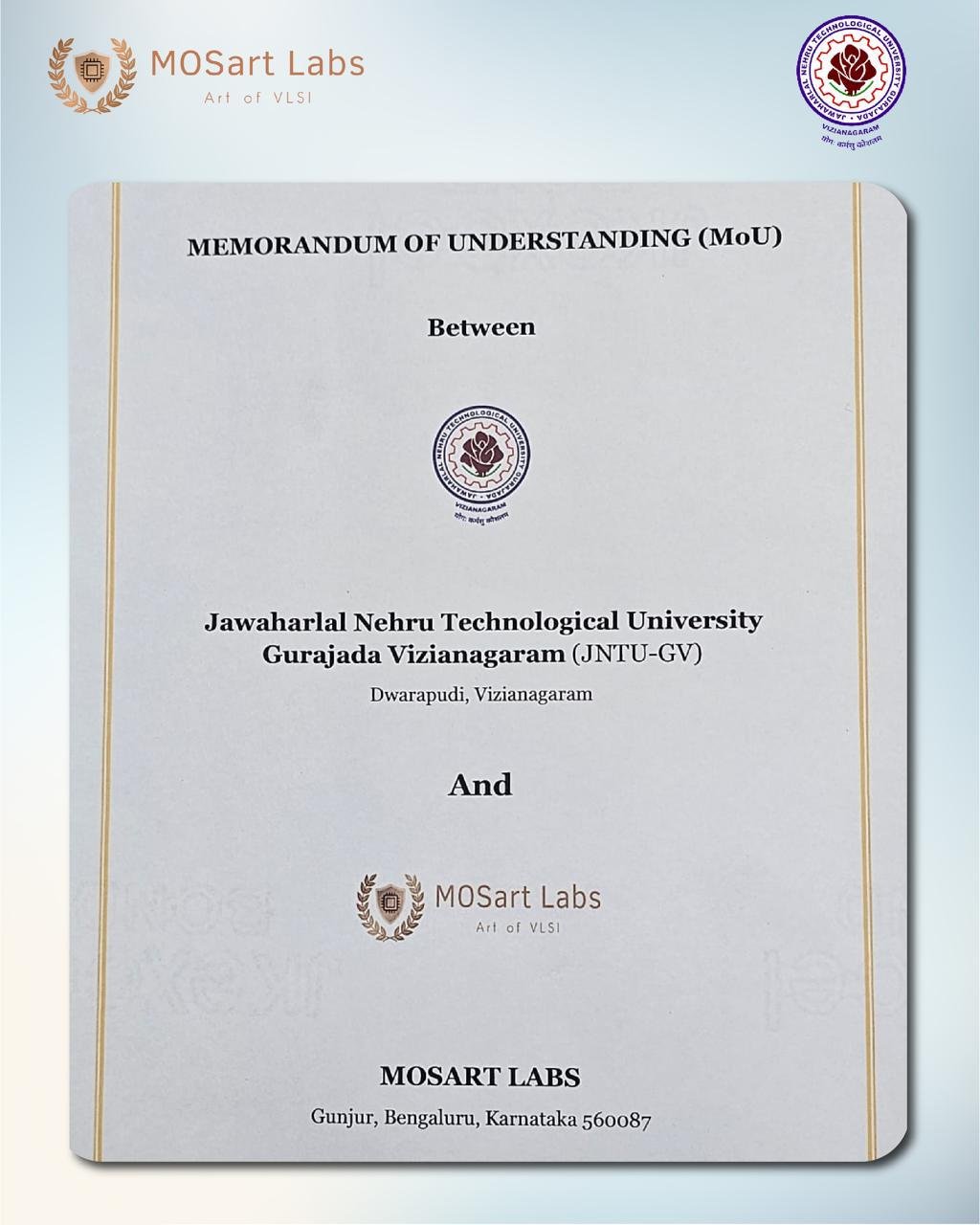
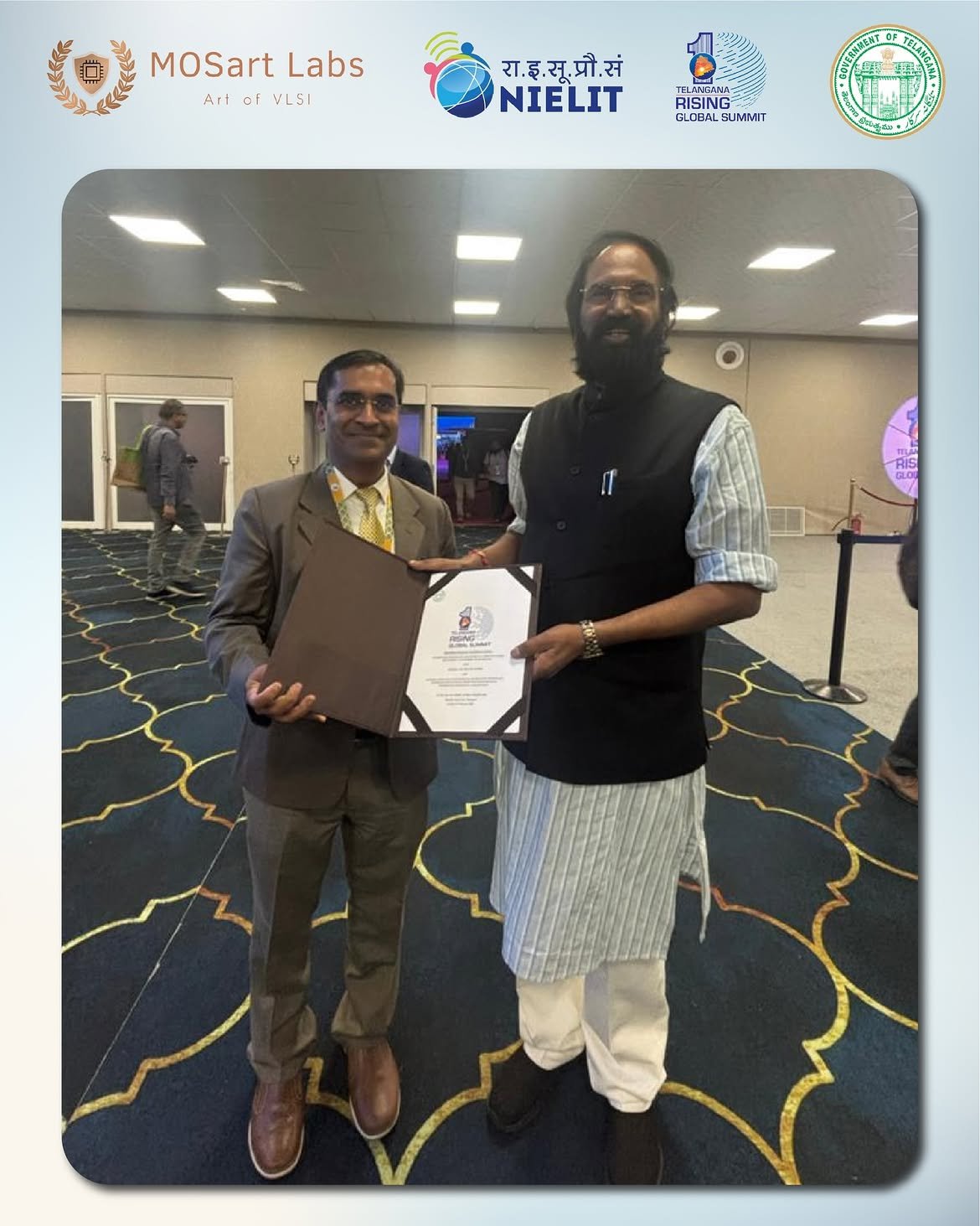
Recognised and backed by



Is this for you?
We’d rather you find out here than on a phone call.
- You’re a final-year ECE, EEE or ECM student who wants a core electronics role, not an IT job.
- You’ve graduated in ECE/EEE in the last few years and haven’t landed a core offer.
- You’re 0–5 years into a software or support role and want to move into semiconductors.
- You already work in VLSI and want to specialise properly.
- You know you want VLSI but don’t yet know which of the three roles fits you.
- You’re from CSE, IT, Mechanical or Civil. The prerequisites assume you’ve done digital electronics.
- You want a short certificate for LinkedIn. This is 10 months Program and it’s demanding.
- You’re looking for a guaranteed job with no effort from your side. We’re placement-focused, not placement-magic.
- You can’t commit 10–12 hours a week including labs.
Three roles.
One of them is yours.
The VLSI industry hires ECE and EEE graduates for three main functions. Tap a role to see what the work actually looks like.
Write the logic
that makes the chip work.
You define what the chip does and in what order. Every phone, EV and AI device starts with someone defining that behaviour in Verilog or SystemVerilog.
₹6–12 LPA fresher range*
Prove the chip works
before it is manufactured.
You prove the chip works before anyone spends money manufacturing it. A single missed bug can cost a company crores in a respin — which is why VLSI hiring is heaviest here.
You’re the person who finds the edge case. You like breaking things, building test systems and being methodical.
₹6–12 LPA fresher range*
Turn verified logic
into a manufacturable chip.
You turn verified logic into an actual layout of transistors and wires that can be manufactured — meeting timing, power and area targets.
You liked device physics and optimisation problems. You’re comfortable with constraints, trade-offs and tooling.
₹6–12 LPA fresher range*
Still not sure?
Picking wrong costs you a year. Our counsellors talk through your subjects, project work and what you enjoyed studying, then recommend one.
Whichever track you choose,
this stays the same.
The tracks differ in what you learn. They don’t differ in how seriously we take getting you hired.
10
Months
6 months live online training + 4 months industry internship
200+
Hands on training
Labs on industry-standard EDA tools
25+
Years faculty experience
IC designers with deep semiconductor industry experience
Why most VLSI courses
don't get engineers hired.
The gap isn’t the syllabus. Everyone teaches Verilog. The gap is what happens after.
Best VLSI COURSE
Most VLSI courses
MOSart Labs
Who teaches
Academic trainers
IC designers with 25+ years in industry
Where you learn
A classroom
Inside a working chip design company
Tools
Student / free versions
The same industry EDA tools used in production
Projects
Sample assignments
A 4-month industry internship project
What you leave with
A certificate
A designed IP you can walk an interviewer through
Typical outcome
IT or unrelated role
A role in a semiconductor company
You don't finish with a certificate.
You finish with something you built.
Every one of our three programs ends with a 4-month industry project. Same structure: a real specification, real tools, real design reviews and a technical presentation you can walk any interviewer through.
Design & synthesise a digital IP
Take a specification through RTL development, simulation and synthesis.
Build a
UVM testbench
Verify a real design and close functional coverage.
Take a netlist to signoff
Floorplan, place, route and close timing.
100+ Potential
Hiring Companies







Taught by engineers
who've taped out real chips.
Not trainers who read the textbook a semester ahead of you.
Mr Rajesh Gupta
Ex- Country Head
Mircron & ams OSRAM
Dr. Krishna Kanth Avalur
Ex- Director
ams OSRAM
Inside MOSart
Don’t take our word for it. See what MOSart is actually like.
From conversations with semiconductor leaders to honest student experiences, here’s what happens inside MOSart.
Yes, we have more student feedback. Apparently, cameras make people shy.
Same fee
across all three tracks.
The recommendation your counsellor gives you isn’t financially motivated.
- Includes all modules, 200+ lab hours and EDA tool access
- Includes the 4-month industry internship project
- Includes placement support and interview preparation
- No hidden charges. This is the complete program fee.
Questions we get on every
counselling call.
How do I choose between RTL Design, Design Verification and Physical Design?
Start with what you enjoyed studying. If digital electronics and coding clicked for you, RTL. If you’re the one who finds the flaw in someone else’s work and likes building systematic test setups, Verification. If device physics and optimisation problems appealed, Physical Design. All three hire freshers at similar salary bands, so pick on fit, not money. If you’re still unsure, book a call.
I'm from EEE, not ECE. Can I join?
I'm from CSE / IT / Mechanical. Can I join?
You can pivot into VLSI, but you’ll need the right foundation first. Our advanced programs assume a basic understanding of digital electronics.
That’s where Zero to Silicon comes in. Build your fundamentals first, then talk to our counsellors when you’re ready. They’ll help you choose the right path.
Is placement guaranteed?
We are placement-focused: we prepare you technically, run mock interviews, build your resume around your internship project and connect you with companies hiring for VLSI roles. Whether you get the offer depends on your performance in the interview.
What salary can I expect as a fresher?
Entry-level VLSI roles in India typically fall in the ₹6–12 LPA range depending on skills, project work and employer. Top product semiconductor companies can go higher.
Can I do this while working full-time?
Yes. Classes are live online in the evenings and on weekends, and every session is recorded. Budget 10–12 hours a week including labs.
I graduated 3 / 5 / 7 years ago. Am I too late?
No. We’ve trained engineers with multi-year gaps and people switching out of unrelated roles. Catching up on fundamentals takes discipline, and you should expect to interview against fresher salary bands initially.
Do I get access to real EDA tools, or simulators?
Real industry-standard tools through guided lab sessions, the same software used in production design flows.
Is this online or offline?
All three programs run live online.
Seats closing
sooooooooon.
Fill this in and our counsellor will call you within 24 hours.
If you’d rather message first, WhatsApp us.
Get the curriculum & fee structure
A MOSart counsellor will reach you within 24 hours to help you pick your track.